
Secure smartphones have become a necessity in today’s digital world, where protection from hackers is more important than ever. A smartphone is no longer just a communication tool; it is used for banking, online shopping, work, entertainment, and storing personal data. Because a smartphone contains so much valuable information, it has become an attractive target for hackers and cybercriminals. Although modern smartphones are built with strong security features, they are not completely safe from cyber threats. Understanding how smartphone security works and what risks exist can help users protect their devices and personal information.
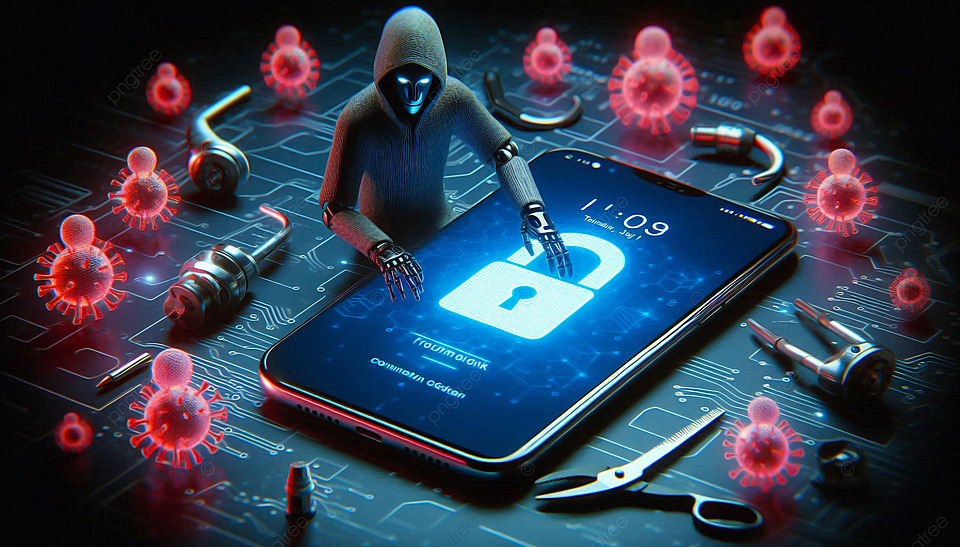
Table of Contents
1. Secure Smartphones: Importance of Protecting Your Personal Data
A smartphone stores a wide range of sensitive information such as passwords, banking details, emails, personal photos, and social media accounts. If a hacker gains access to a smartphone, they may be able to steal identity information, access financial accounts, or misuse private data.
As smartphones become more advanced and connected to the internet at all times, the risk of cyberattacks also increases. For this reason, smartphone security has become a major focus for technology companies. Manufacturers design each secure smartphone with multiple layers of protection to safeguard user data and prevent unauthorized access.
2. Built-In Security Features in Smartphones
Modern secure smartphones are equipped with several built-in security features that protect the device from hackers. These features include secure operating systems, encrypted storage, and permission controls for apps.
Operating systems in a secure smartphones are designed to isolate apps from each other. This system prevents one app from accessing data from another app without permission. For example, a photo editing app cannot automatically read messages or banking information stored on the smartphone. This controlled environment significantly reduces the risk of data theft.
In addition, most smartphones require users to grant permissions before an app can access the camera, microphone, contacts, or location. This ensures that the smartphone owner has control over how their data is used.
3. Role of Encryption in Smartphone Protection
Encryption is one of the most powerful tools used to protect a smartphone. Encryption converts data stored on the smartphone into a coded format that cannot be read without the correct password or authentication key.
If a smartphone is lost or stolen, encryption prevents hackers from accessing the stored information. Even if someone removes the storage chip from the smartphone, the encrypted data remains unreadable without the correct credentials.
Most modern secure smartphones automatically enable encryption by default. This feature ensures that personal information such as messages, documents, and photos remain protected even if the device falls into the wrong hands.
4. Biometric Authentication and Device Locks
Another important security feature in a smartphone is biometric authentication. Many secure smartphones allow users to unlock the device using fingerprints, facial recognition, or iris scanning.
Biometric authentication is considered more secure than simple passwords because it relies on unique physical characteristics of the smartphone owner. This makes it extremely difficult for hackers to unlock the device.
In addition to biometrics, screen locks such as PIN codes and pattern locks provide an additional layer of security. A properly locked smartphone greatly reduces the chances of unauthorized access.
5. App Store Security and Safe Downloads
Most smartphone users download applications to expand the functionality of their devices. However, apps can also introduce security risks if they contain malware or spyware.
To reduce this risk, official app stores review and verify applications before they are made available for download. These reviews help identify harmful apps that may attempt to steal data from a smartphone.
Despite these protections, users must remain cautious. Downloading apps from unofficial websites or unknown sources can expose a smartphone to malware. It is always safer to download apps from trusted platforms and read reviews before installing them.
6. Common Ways Hackers Target Smartphones
Even with strong security systems, hackers continue to develop new techniques to attack smartphones. One of the most common methods is phishing.
Phishing occurs when hackers send fake messages or emails that appear to be from trusted organizations. These messages often contain links that lead to fake websites designed to steal login information. If a user enters their credentials, hackers can gain access to accounts connected to the smartphone.
Another common method is malicious software. Malware can secretly monitor activities on a smartphone, record keystrokes, or steal personal data. In some cases, malware can even control the smartphone remotely.
Conclusion
Smartphone technology has advanced significantly, and modern secure smartphones are designed with strong security systems to protect users from hackers. Features such as encryption, biometric authentication, secure operating systems, and verified app stores provide multiple layers of protection.
However, no smartphone is completely immune to cyber threats. Hackers constantly develop new methods to exploit vulnerabilities and trick users. As a result, smartphone security depends not only on technology but also on responsible user behavior.
By keeping their secure smartphones updated, avoiding suspicious apps and links, and practicing safe online habits, users can greatly reduce the risk of cyberattacks and keep their personal information secure.