
In today’s digital world, the smartphone camera has become one of the most important factors people consider before purchasing a device. From social media posts and travel photography to video creation and professional content, a good smartphone cam can replace the need for a dedicated camera for many users. However, with brands advertising megapixels, AI cameras, multiple lenses, and advanced video features, choosing the right smartphone cam can be confusing.
This guide will help you understand how to compare smartphone camera features before buying so you can make a smarter decision and get the best camera performance for your needs.
Different type of smartphone cameras:-
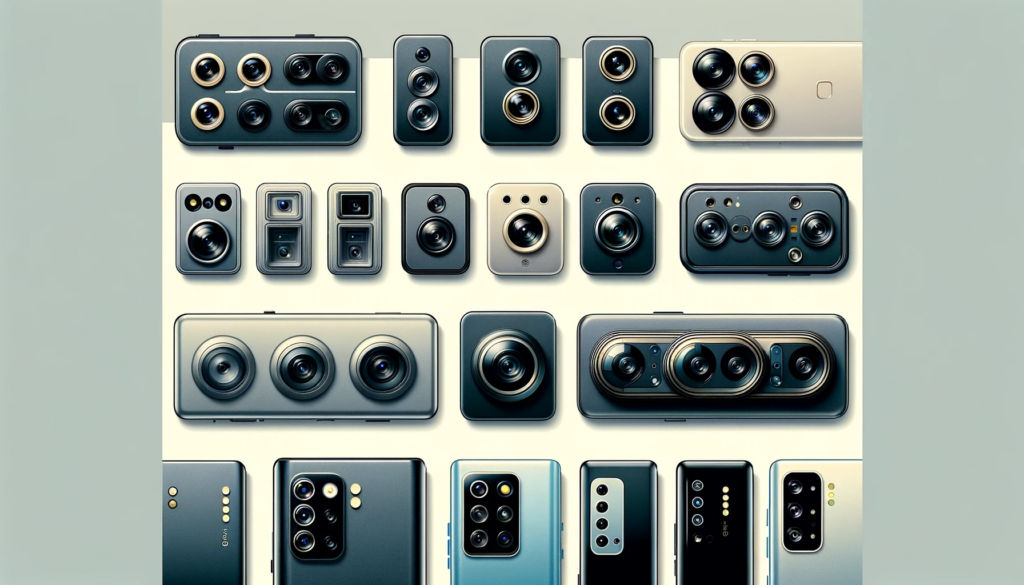
Table of Contents
1. Understand Megapixels (But Don’t Rely on Them Alone)
One of the most commonly advertised features of a smartphone camera is megapixels (MP).For example, a 50MP smartphone camera captures more detail than a 12MP camera in theory.
Many smartphone brands use pixel binning technology, which combines multiple pixels into one to produce brighter images in low light. A 12MP camera with a larger sensor may perform better than a 64MP camera with a smaller sensor.
When comparing smartphone cam, consider megapixels as just one part of the equation rather than the main deciding factor.
2. Check the Smartphone Camera Sensor Size
Sensor size is one of the most critical but often overlooked aspects of smartphone photography. The cam sensor captures light, and a larger sensor can collect more light, resulting in better photos.
Benefits of a larger smartphone cam sensor include:
- Improved dynamic range
- Sharper details
Many premium smartphone models now use larger sensors to compete with professional cam. If photography is important to you, always check the sensor specifications before buying a smartphone.
3. Evaluate Aperture Size
Another key smartphone camfeature is aperture, written as f/1.8, f/1.9, f/2.2, etc.
Lower numbers mean wider apertures and better light capture. For example:
- f/1.7 – Excellent for low light
- f/2.2 – Average lighting capability
A smartphone with a wider aperture will generally perform better at night and indoors. If you frequently take photos in dim environments, aperture should be a major factor when comparing smartphone cam.
4. Look at the Number and Types of Lenses
Modern smartphone cam often include multiple lenses instead of just one. Each lens serves a different purpose.
Common smartphone cam lenses include:
Wide Lens (Primary Camera)
This is the main camera used for most photos.
Ultra-Wide Lens
Allows you to capture more scenery, making it great for landscapes and group photos.
Telephoto Lens
Provides optical zoom for capturing distant subjects without losing quality.
Macro Lens
Used for extreme close-up photography.
When choosing a smartphone, consider which lens types you actually need. For example, travelers may prefer ultra-wide lenses, while wildlife or sports photographers benefit from telephoto zoom.
5. Compare Optical Image Stabilization (OIS)
Shaky hands can ruin photos and videos. Optical Image Stabilization (OIS) helps stabilize the camera physically to reduce blur.
A smartphone with OIS will provide:
- Sharper photos in low light
- Smoother video recording
- Better zoom photography
Many budget smartphone models skip OIS, while flagship devices almost always include it. If you shoot videos or night photos frequently, OIS is an essential smartphone cam feature.
Conclusion
Choosing the right smartphone cam requires more than simply looking at megapixels. Buyers should evaluate multiple factors such as sensor size, aperture, stabilization, lens types, video capabilities, and AI features.
By carefully comparing these smartphone cam features, you can find a device that matches your photography needs—whether you enjoy casual photography, travel photos, social media content, or professional video creation.
Before making a final decision, always check cam samples and reviews to ensure the smartphone delivers the image quality you expect. A well-researched purchase will help you enjoy better photos and videos for years to come.